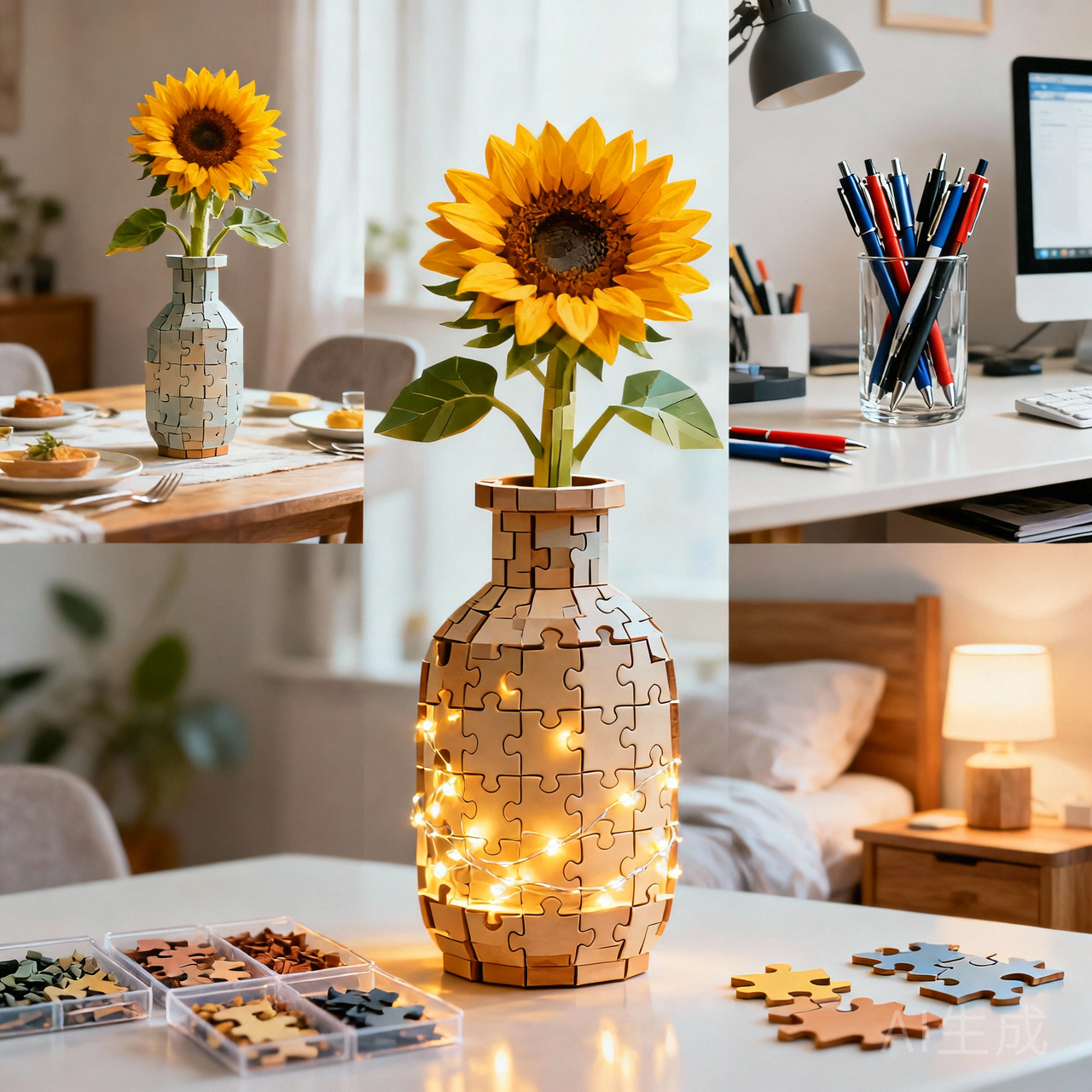
How Difficult Are 3D Puzzles? A Complete Guide to Challenge Levels & Solutions
Jan 03,2025 | uFunSpace
3D puzzles offer a unique challenge that combines spatial reasoning with hands-on assembly. Unlike traditional flat puzzles, these three-dimensional brain teasers require additional skills that can make them more demanding - but also more rewarding. Let's explore what makes 3D puzzles difficult and how to master them.
What Determines 3D Puzzle Difficulty?
1. Dimensional Complexity
The shift from 2D to 3D adds layers of complexity:
-
Requires understanding how pieces connect in multiple planes
-
Demands spatial visualization to see how components fit together
-
Often involves structural integrity considerations
2. Precision Assembly Requirements
-
Tight tolerances mean pieces must align perfectly
-
Some designs use interlocking systems needing exact angles
-
Weight distribution affects stability during assembly
3. Material Challenges
| Material Type | Difficulty Factors |
|---|---|
| Wood | Natural variations may affect fit |
| Metal | Requires tools; pieces less forgiving |
| Plastic | Flexible pieces can complicate alignment |
| Cardboard | Fragile; easy to damage during assembly |
4. Design Factors Impacting Difficulty
-
Piece count: 50-piece vs. 500-piece models differ dramatically
-
Color coding: Monochromatic designs increase challenge
-
Symmetry: Repeated patterns make orientation harder
-
Instruction quality: Poor diagrams multiply difficulty
5 Pro Tips for Conquering Difficult 3D Puzzles
-
Strategic Unboxing
-
Sort pieces by shape/size before starting
-
Use compartmentalized containers for organization
-
-
Assembly Sequence Matters
-
Build structural framework first
-
Work section-by-section rather than randomly
-
-
Lighting & Workspace Setup
-
Use angled lighting to reduce glare
-
Choose a non-slip surface to prevent collapses
-
-
Tool Kit Essentials
-
Precision tweezers for small pieces
-
Magnifying glass for tiny details
-
Soft mallet for snug fits
-
-
Mindset Techniques
-
Take breaks every 45 minutes to maintain focus
-
Photograph progress to track assembly stages
-
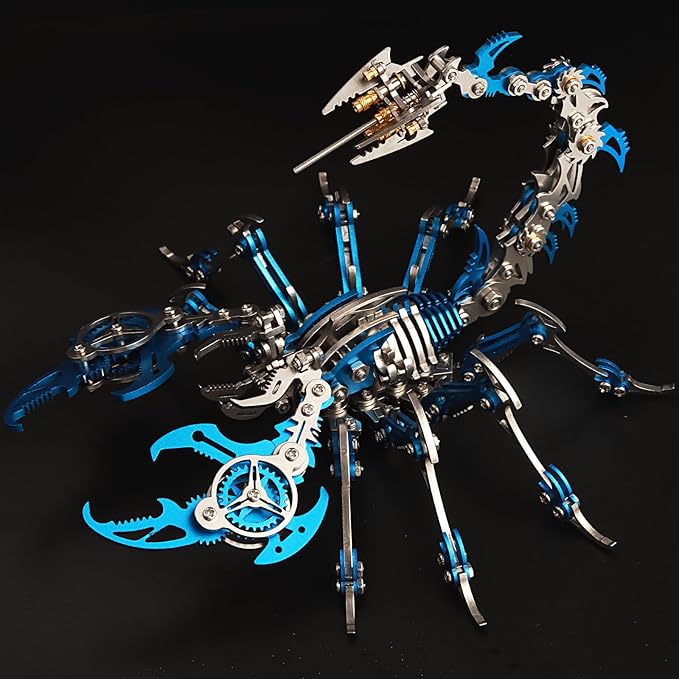
Difficulty Spectrum of Popular 3D Puzzle Types
Beginner-Friendly (2-4 hours):
-
Animal figurines with color-coded bases
-
Architectural landmarks with numbered pieces
Intermediate (5-10 hours):
-
Mechanical models with moving parts
-
Globe puzzles with curved surfaces
Expert Level (15+ hours):
-
Working clock mechanisms
-
Complex geometric shapes like dodecahedrons
Why 3D Puzzles Are Worth the Challenge
Beyond entertainment, 3D puzzles offer cognitive benefits:
-
Improves spatial intelligence by 23% (University of Chicago study)
-
Enhances problem-solving skills applicable to STEM fields
-
Develops patience and attention to detail
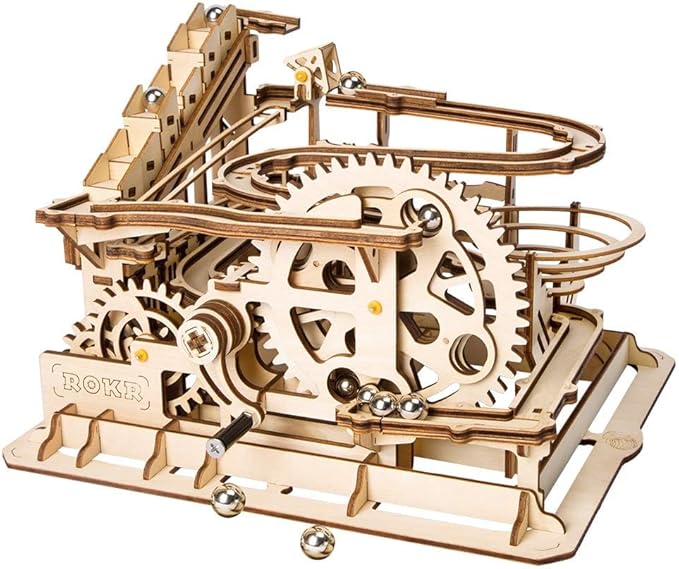
For those seeking their next challenge, consider progressive difficulty - start with simple models and gradually attempt more complex designs. The sense of accomplishment when completing an intricate 3D puzzle makes every frustrating moment worthwhile.
Ready to test your skills? Browse our recommended difficulty-rated 3D puzzle collections to find your perfect challenge level.
Comment