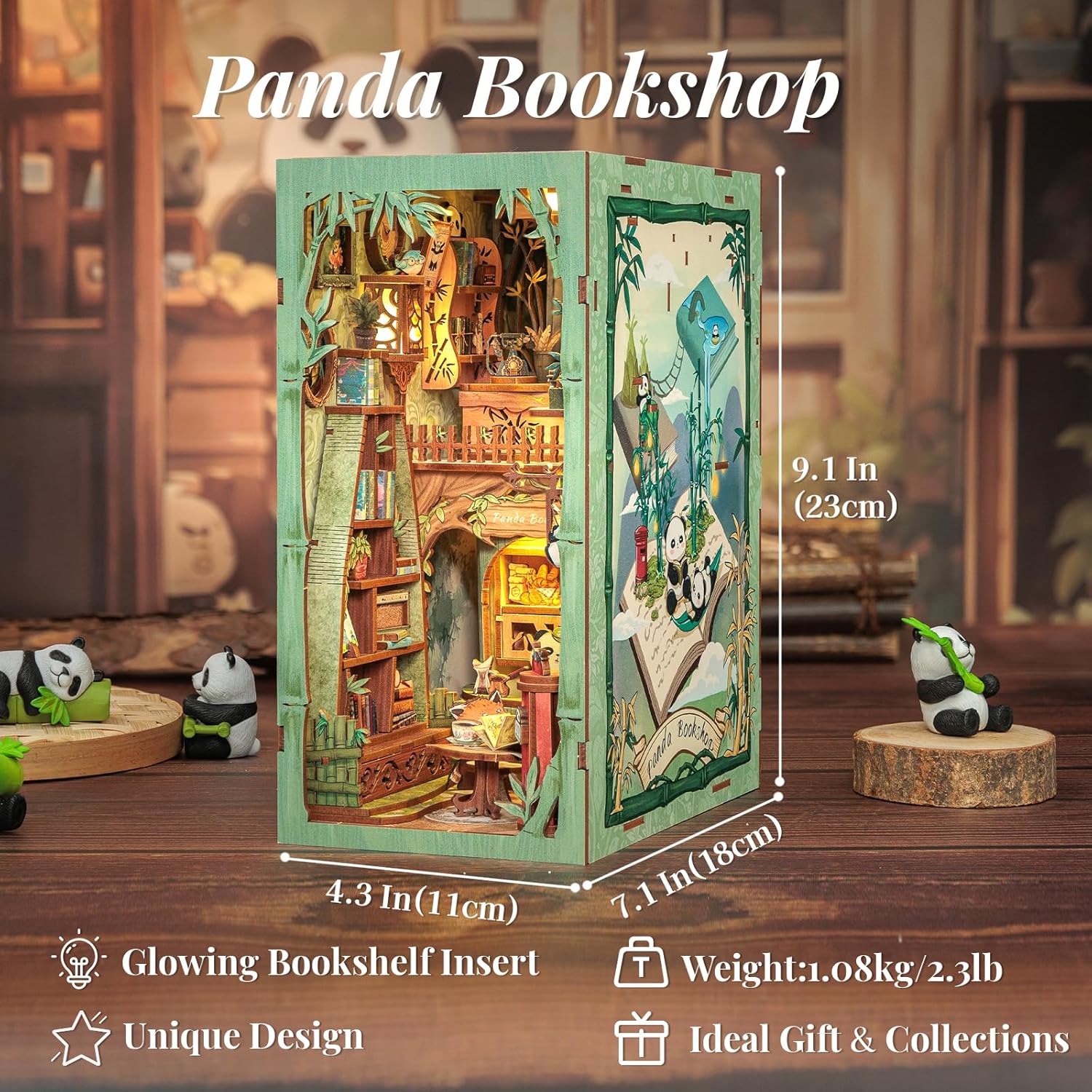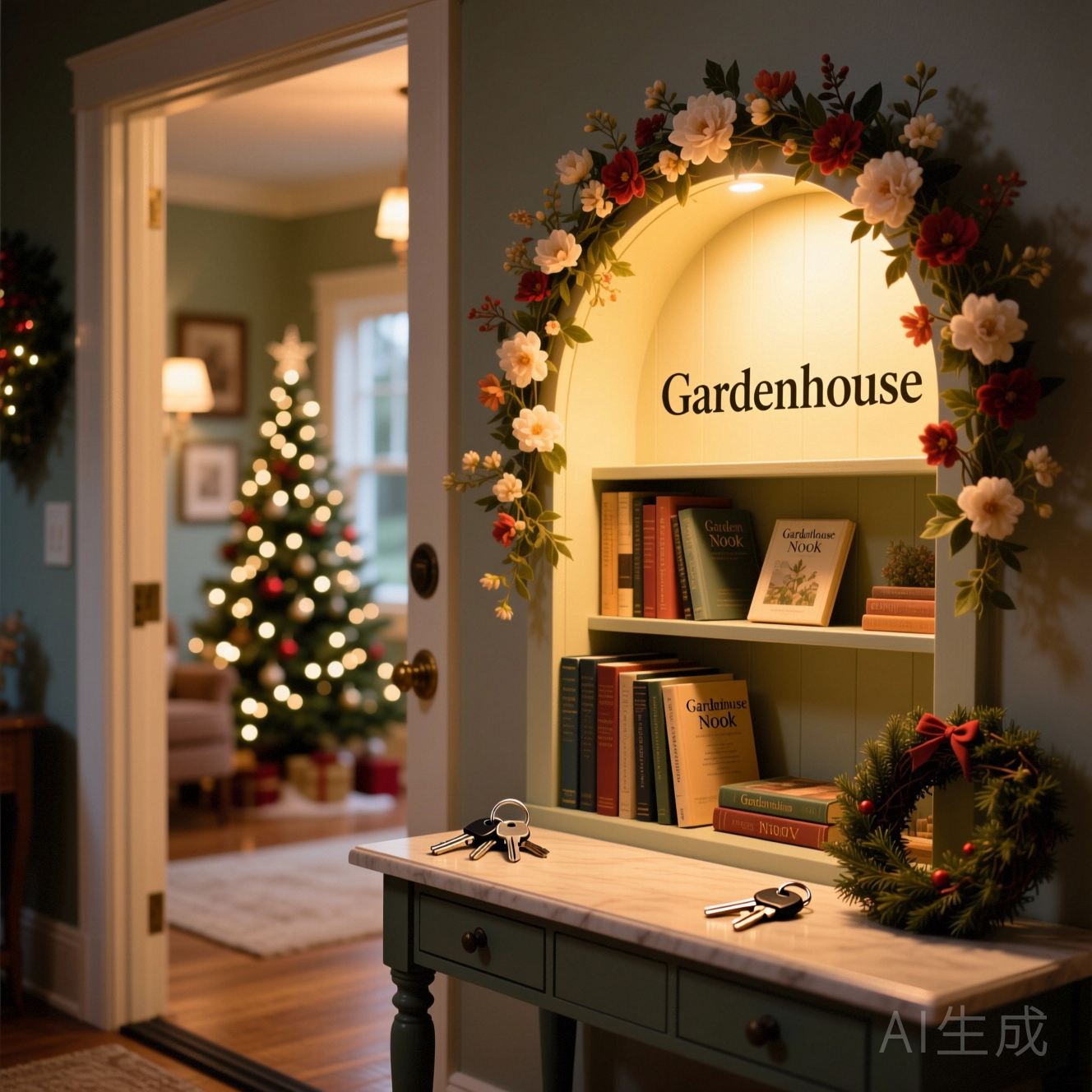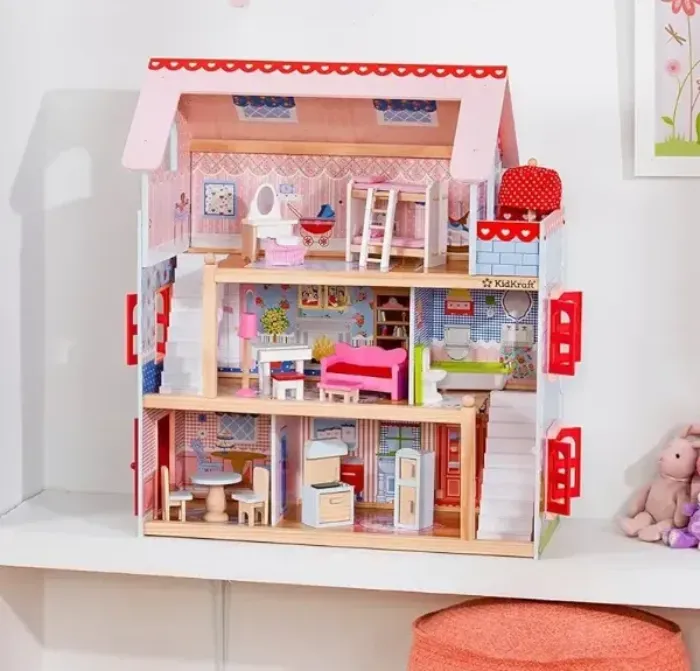
🏡 1:6 Scale (Playscale) - The Barbie Standard
Best for: Fashion doll collectors, play environments
-
Ratio: 1 inch = 6 inches in real life
-
Door height example: 15 inches (represents a 7.5-foot door)
-
Popular uses: Barbie dolls, action figures, Re-Ment accessories
-
Pros: Large size easy to handle, great for children
-
Cons: Limited availability in specialty miniature shops
This scale dominates the fashion doll market but sees less representation in traditional miniature stores.
🏡 1:12 Scale (One-Inch Scale) - The Collector's Favorite
Best for: Serious collectors, detailed artisans
-
Ratio: 1 inch = 1 foot (12 inches)
-
Door height example: 6 inches (standard interior door)
-
Historical significance: Used in Queen Mary's famous 1924 dollhouse
-
Pros: Widest variety of available miniatures, easier to craft details
-
Cons: Requires more display space, premium pricing
As the most popular dollhouse scale, 1:12 offers the best selection of high-quality miniatures from global artisans.
🛋️ 1:24 Scale (Half-Scale) - The Space-Saver
Best for: Limited spaces, detailed dioramas
-
Ratio: 1/2 inch = 1 foot
-
Doll height: 2.5-3 inches tall
-
Popularity: Resurging as collectors seek space-efficient displays
-
Bonus use: Perfect for die-cast car collectors building street scenes
-
Pros: Takes up half the space of 1:12 scale
-
Cons: Fewer available pieces than 1:12
This 1950s favorite makes a strong comeback, especially among collectors running out of display room.
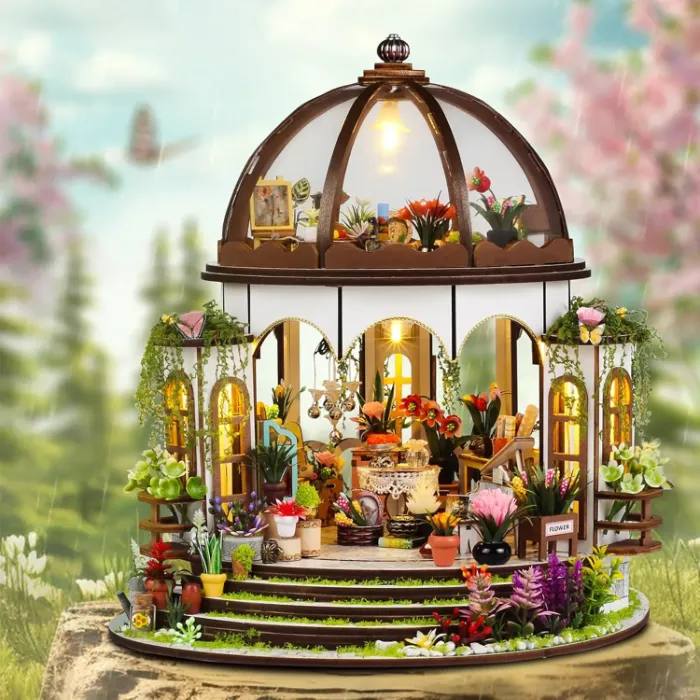
🪑 1:48 Scale (Quarter-Scale) - The Detail Challenge
Best for: Advanced miniaturists, unique displays
-
Ratio: 1/4 inch = 1 foot
-
Person height: 1.5 inches (represents 6-foot person)
-
Railroad equivalent: O scale
-
Pros: Creates stunning miniature worlds in compact spaces
-
Cons: Requires magnifying tools, limited selection
Growing in popularity despite its challenges, this scale tests the skills of even experienced miniaturists.
🔍 1:144 Scale (Micro-Scale) - The Miniature Within a Miniature
Best for: Specialty displays, dollhouses within dollhouses
-
Ratio: 1 inch = 12 feet
-
Railroad equivalent: N scale
-
Unique feature: Fits as a 1:12 scale dollhouse's dollhouse
-
Pros: Adds incredible depth to displays
-
Cons: Extremely difficult to work with, easy to lose pieces
This ultra-tiny scale represents the pinnacle of miniature craftsmanship, often commanding premium prices.
Choosing Your Perfect Scale
Consider these factors when selecting a dollhouse scale:
-
Available space - Larger scales demand more room
-
Budget - 1:12 offers most options but higher prices
-
Skill level - Smaller scales require advanced techniques
-
Purpose - Play vs. display vs. collection
Most beginners start with 1:12 scale for its balance of size and availability, while experienced collectors often branch into smaller scales for unique challenges.
Whatever scale you choose, understanding these proportions will help you build a stunning, cohesive miniature world that maintains perfect realism in every tiny detail.
Pro Tip: Always check scale descriptions when purchasing miniatures, as mixing scales will disrupt your display's realism. Many artisans include scale conversion charts to help collectors make informed choices.