What Should We Pay Attention to When Building Block Cars?
Jan 08,2025 | uFunSpace
Building block cars are a fantastic creative activity that combines engineering principles with imaginative play. Whether you're working with LEGO, Mega Bloks, or other construction systems, constructing functional toy vehicles requires careful planning and execution. In this comprehensive guide, we'll explore the key considerations for building successful block cars that roll smoothly, look great, and stand up to playtime demands.
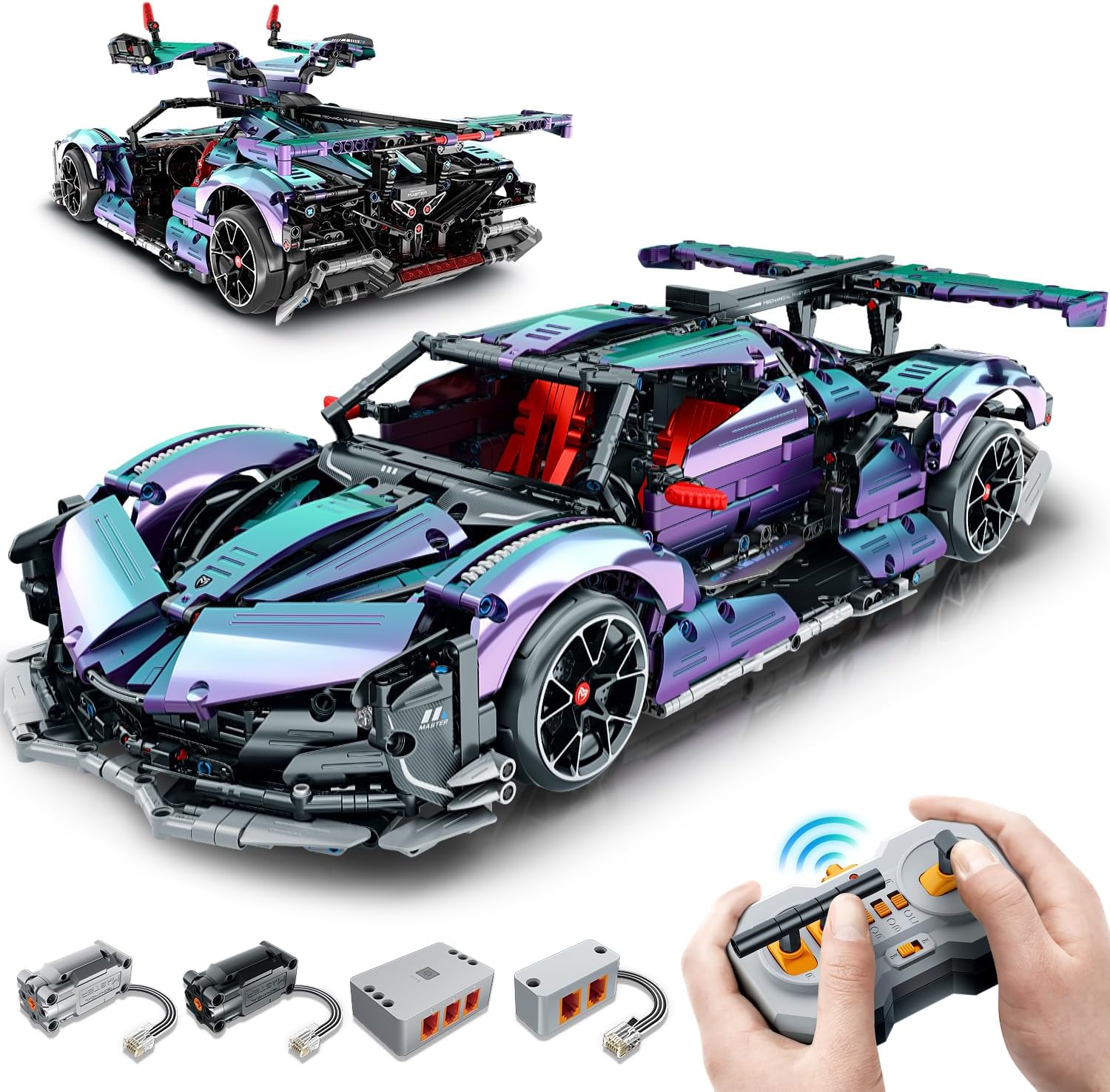
Choosing the Right Building Blocks
The foundation of any great block car starts with selecting the appropriate materials:
-
Block Compatibility: Ensure all pieces come from the same system or are designed to work together
-
Wheel and Axle Options: Look for specialized wheel pieces that rotate freely
-
Structural Integrity: Choose blocks that snap together securely without being too difficult to disassemble
-
Scale Considerations: Decide whether you're building miniature models or larger, more detailed vehicles
Structural Design Principles
A well-designed block car requires thoughtful structural planning:
-
Weight Distribution: Balance the vehicle's weight evenly to prevent tipping
-
Chassis Strength: Create a sturdy base frame that can support the entire structure
-
Suspension Simulation: Incorporate flexible elements to absorb "shocks" (simulated suspension)
-
Modular Design: Consider building in sections for easier modifications later
Functional Components
Pay special attention to these critical moving parts:
-
Wheel Assembly:
-
Ensure axles rotate freely without friction
-
Space wheels appropriately for stability
-
Consider different wheel sizes for specialized vehicles
-
-
Steering Mechanisms:
-
Fixed axle vs. steerable designs
-
Front-wheel vs. all-wheel steering
-
Steering angle limitations
-
-
Body Attachment:
-
Secure connection points between body and chassis
-
Removable tops for interior access
-
Doors or opening compartments
-
Aesthetic Considerations
While function is crucial, appearance matters too:
-
Color Schemes: Plan cohesive color patterns before building
-
Proportions: Maintain realistic vehicle dimensions
-
Details: Add headlights, mirrors, and other authentic touches
-
Theming: Decide on a style (race car, truck, futuristic, etc.)

Safety and Durability
Ensure your creations are safe and long-lasting:
-
Small Parts: Be cautious with tiny pieces around young children
-
Impact Resistance: Reinforce areas likely to experience stress
-
Stability Testing: Check for tipping hazards
-
Edge Smoothing: Avoid sharp protrusions
Advanced Techniques
For experienced builders looking to enhance their designs:
-
Gear Systems: Incorporate working transmissions
-
Motorization: Add power functions for movement
-
Pneumatics: Experiment with air-powered components
-
Custom Decals: Apply personalized detailing
Maintenance and Storage
Protect your block car investments:
-
Disassembly Planning: Design for easy breakdown and reassembly
-
Storage Solutions: Keep sets organized to prevent loss
-
Cleaning Methods: Learn proper techniques for maintaining blocks
-
Repair Strategies: Have a plan for fixing broken connections
By paying attention to these key aspects of block car construction, you'll create vehicles that are not only visually appealing but also structurally sound and fun to play with. Remember that building with blocks is an iterative process—don't be afraid to dismantle and rebuild until you achieve the perfect design. Happy building!
Comment