Why Do Kids Love Robots? Exploring the Fascination with Robotic Technology
Jan 03,2025 | uFunSpace
From factory assembly lines to children's playrooms, robots have captured our imagination. On industrial production floors, robotic arms perform precise movements, lifting and placing components with unmatched efficiency. But beyond their practical applications, robots have become beloved companions and educational tools for children worldwide.
The Growing Popularity of Robot Toys
Robot toys are no longer just futuristic concepts—they are now a favorite among preschoolers, elementary students, and even teenagers. These interactive devices blend entertainment with education, transforming abstract concepts like math and programming into engaging, hands-on experiences.
But what exactly makes robots so appealing to young minds?
Key Reasons Kids Are Drawn to Robots
1. Interactive and Engaging Design
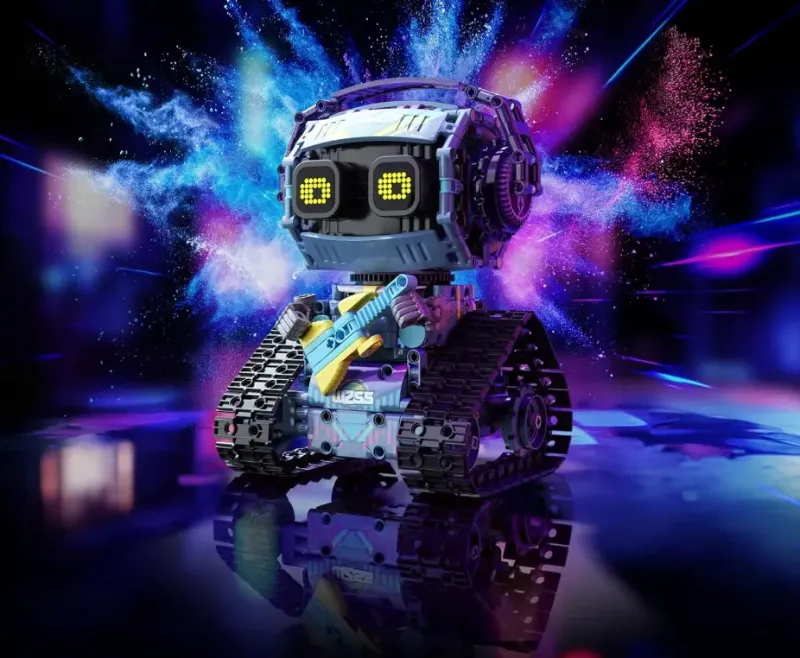
Robots captivate children with their playful movements, expressive features, and responsive behaviors. Whether dancing, telling stories, or playing games, interactive robots spark curiosity and encourage exploration.
2. Learning Through Play
Educational robots introduce STEM (Science, Technology, Engineering, and Math) concepts in a fun, accessible way. By solving puzzles, completing challenges, and even coding simple commands, kids develop problem-solving skills without feeling like they're in a traditional classroom setting.
3. Social and Emotional Development
Many children form bonds with their robotic companions, treating them as friends or teammates. This interaction helps develop communication skills, empathy, and emotional intelligence. For some kids, robots even serve as comforting companions during moments of loneliness.
4. Inspiring Future Innovators
Exposure to robotics at an early age fosters an interest in technology and engineering. Many children who play with robots grow curious about how they work, leading to deeper exploration in coding, mechanics, and artificial intelligence.
5. Building Critical Thinking Skills
Programming and controlling robots enhance logical reasoning, creativity, and perseverance. As kids experiment with different commands and see real-time results, they learn cause-and-effect relationships and develop resilience when troubleshooting errors.
6. Encouraging Teamwork and Collaboration
Many robotics activities involve group projects, where children must communicate, share ideas, and work together to achieve a common goal. These experiences strengthen social skills and teach the value of cooperation.
The Future of Robotics in Child Development
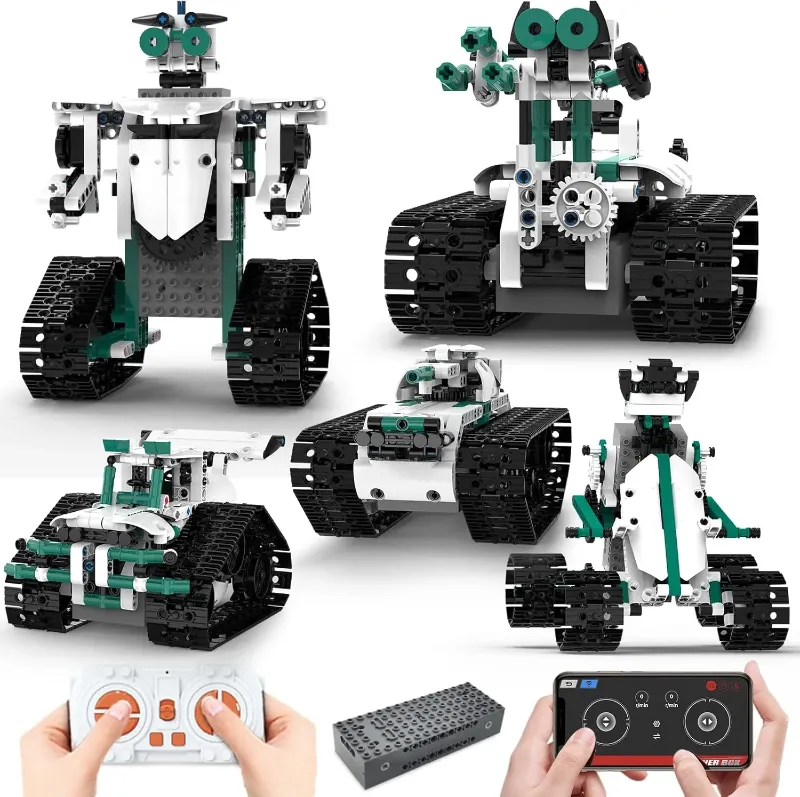
As technology advances, robots will play an even greater role in education and entertainment. From AI-powered tutors to programmable DIY robot kits, the possibilities are endless. By nurturing a love for robotics early on, we prepare the next generation for a tech-driven world while making learning an exciting adventure.
Whether as a toy, a teacher, or a friend, robots have earned their place in children's hearts—and their influence is only growing.
Comment